Content · 6 min read · May 19, 2026
Email Marketing Metrics: Industry Benchmarks and What to Do When You Fall Below Them
Open rates, click-through rates, unsubscribe rates — visualised across 12 industries with actionable steps for improving each metric when you fall below the benchmark.
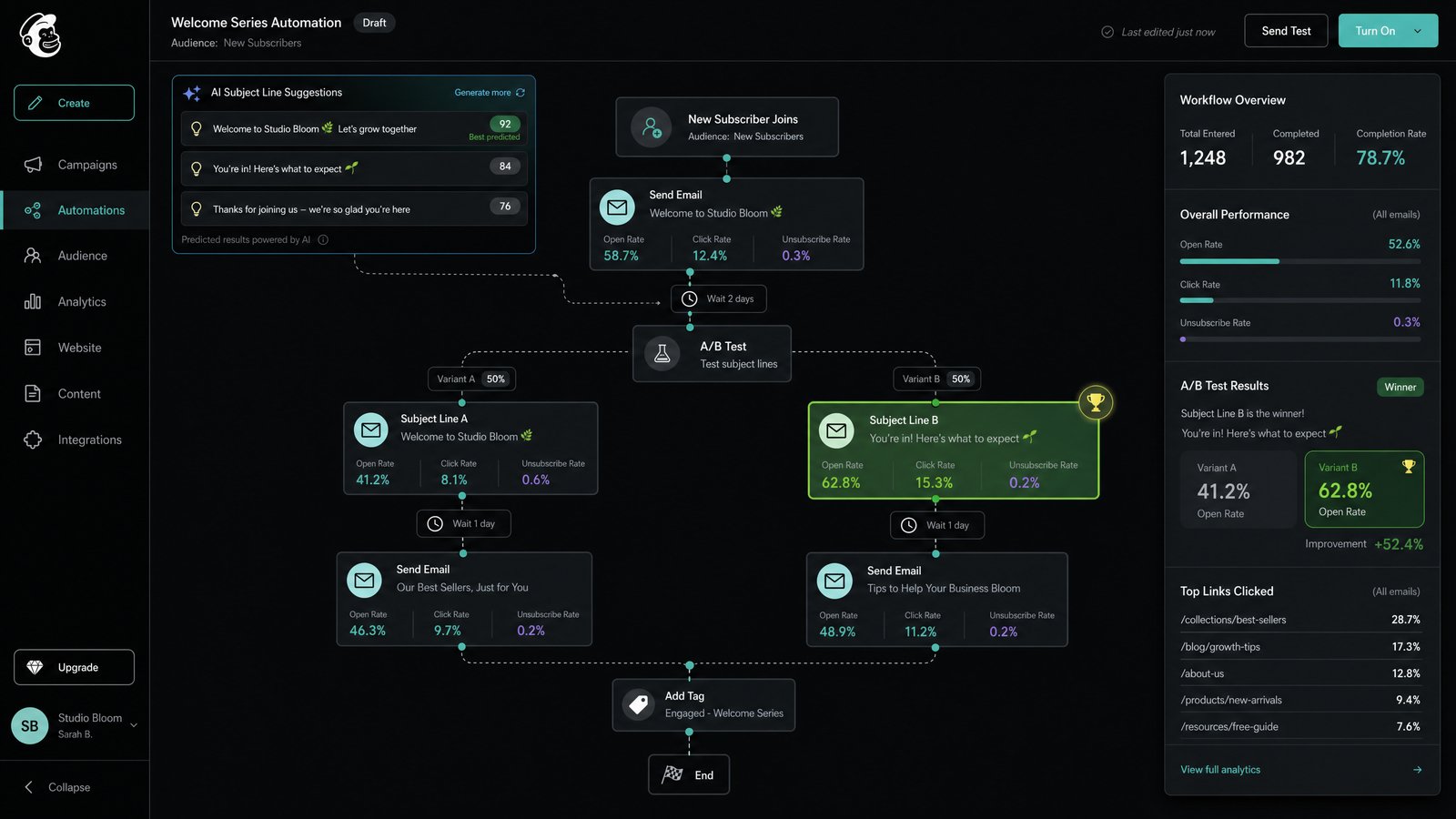
Email Marketing Metrics: Industry Benchmarks and What to Do When You Fall Below Them
Email marketing remains a cornerstone of digital strategy for businesses across all sectors, offering a direct and highly effective channel for customer engagement and conversion. Understanding how your email campaigns perform against industry benchmarks is crucial for optimizing your strategy and maximizing return on investment. This article delves into key metrics, providing insights into typical industry performance and offering actionable strategies to enhance your results when they fall short of expectations. By leveraging data-driven approaches, businesses can transform their email marketing efforts into a powerful engine for growth and customer loyalty.
Understanding Key Email Marketing Metrics
Before diving into industry benchmarks, it is essential to define the core metrics that dictate the success of any email marketing campaign. These indicators provide a comprehensive view of subscriber engagement, content effectiveness, and overall campaign health.
Open Rate
The open rate measures the percentage of recipients who open a delivered email. It is a primary indicator of subject line effectiveness, sender reputation, and audience relevance. A higher open rate suggests that your emails are successfully capturing attention and encouraging recipients to explore your content further. Factors influencing open rates include the sender's name, subject line creativity, and the perceived value of the email's content.
Click-Through Rate (CTR)
The click-through rate (CTR) represents the percentage of recipients who click on one or more links within an email. This metric is a direct measure of how engaging and compelling your email content is, as well as the effectiveness of your calls to action (CTAs). A strong CTR indicates that your content resonates with your audience and effectively guides them towards desired actions, such as visiting a product page or downloading a resource.
Unsubscribe Rate
Conversely, the unsubscribe rate tracks the percentage of recipients who opt out of your email list after receiving a campaign. While some unsubscribes are inevitable, a consistently high rate can signal issues with content relevance, sending frequency, or audience targeting. Monitoring this metric helps maintain list hygiene and ensures that your communications are valued by your subscribers.
Conversion Rate
Beyond opens and clicks, the conversion rate measures the percentage of recipients who complete a desired action after clicking a link in your email, such as making a purchase, filling out a form, or signing up for a service. This is often considered the ultimate measure of email marketing effectiveness, directly linking campaigns to business objectives and revenue generation.
Email Marketing Benchmarks Across Industries
Industry benchmarks for email marketing metrics vary significantly across different sectors due to diverse audience behaviors, product cycles, and communication norms. The following table provides a general overview of typical performance across various industries. It is important to note that these are averages, and individual performance can fluctuate based on specific campaign goals, audience segmentation, and content quality. This data offers a valuable reference point for assessing your own email campaign performance.
| Industry | Open Rate (%) | Click-Through Rate (CTR) (%) | Unsubscribe Rate (%) |
|---|---|---|---|
| Retail & E-commerce | 15-25 | 2-4 | 0.1-0.3 |
| Education | 20-30 | 3-6 | 0.1-0.3 |
| Non-Profit | 25-35 | 3-7 | < 0.2 |
| Technology & SaaS | 18-28 | 2-5 | 0.1-0.3 |
| Healthcare | 18-26 | 2-4 | 0.1-0.3 |
| Financial Services | 17-25 | 1.5-3.5 | 0.1-0.3 |
| Travel & Hospitality | 16-24 | 2-4 | 0.1-0.3 |
| Media & Publishing | 20-30 | 3-6 | 0.1-0.3 |
| Real Estate | 18-26 | 2-4 | 0.1-0.3 |
| Manufacturing | 15-23 | 1.5-3.5 | 0.1-0.3 |
| Government | 20-30 | 2-5 | 0.1-0.3 |
| Agencies & Consulting | 18-28 | 2-5 | 0.1-0.3 |
Strategies for Improving Email Marketing Performance
Falling below industry benchmarks is not a cause for alarm but rather an opportunity for strategic refinement. By systematically addressing potential weaknesses, you can significantly improve your email marketing metrics and achieve superior campaign performance. Here are actionable steps to take for each key metric.
Enhancing Open Rates
If your open rates are consistently low, focus on enhancing the appeal and trustworthiness of your emails before they are even opened.
- Refine Subject Lines: Craft compelling, concise, and benefit-driven subject lines. A/B test different approaches to identify what resonates best with your audience. Personalization, urgency, and curiosity can all play a role in boosting open rates.
- Optimize Sender Name: Ensure your sender name is recognizable and trustworthy. Using a consistent brand name or a personal name from your team can increase familiarity and encourage opens.
- Segment Your Audience: Sending relevant content to segmented lists dramatically increases the likelihood of opens. Tailor your messages to specific audience interests, demographics, or past behaviors.
- Maintain List Hygiene: Regularly clean your email list by removing inactive subscribers. This improves deliverability and ensures your emails reach engaged recipients, positively impacting your open rates.
Boosting Click-Through Rates (CTR)
Low CTRs indicate that while your emails are being opened, the content or calls to action are not compelling enough to drive further engagement. Focus on the in-email experience.
- Enhance Content Relevance: Ensure your email content directly addresses the needs and interests of your segmented audience. Provide value, whether through educational material, exclusive offers, or insightful updates.
- Clear and Compelling CTAs: Your calls to action should be prominent, clear, and persuasive. Use strong action verbs and ensure there's a single, primary CTA per email to avoid overwhelming recipients. Test different button designs and placements.
- Mobile Optimization: A significant portion of emails are opened on mobile devices. Ensure your email design is responsive and renders perfectly on all screen sizes, making it easy for users to click links.
- Visual Appeal: Incorporate engaging visuals, such as images, GIFs, or videos, to break up text and make your emails more appealing. Visuals can help convey your message quickly and effectively.
Reducing Unsubscribe Rates
While some unsubscribes are natural, a high rate suggests a disconnect between your content and your audience's expectations. Address these issues to retain valuable subscribers.
- Manage Sending Frequency: Find the optimal sending frequency that keeps your audience engaged without overwhelming them. Offer preferences for how often subscribers receive emails.
- Provide Value Consistently: Every email should offer value. If subscribers feel they are constantly receiving promotional content without any benefit, they are more likely to unsubscribe.
- Set Clear Expectations: When subscribers opt-in, clearly communicate what kind of content they will receive and how often. This helps manage expectations and reduces surprises.
- Re-engage Inactive Subscribers: Before they unsubscribe, try to re-engage inactive subscribers with targeted campaigns designed to rekindle their interest. Offer them a chance to update their preferences or confirm their interest.
Improving Conversion Rates
Ultimately, the goal of email marketing is to drive conversions. If your conversion rates are low, look beyond the email itself to the entire customer journey.
- Streamline Landing Pages: Ensure that the landing pages linked from your emails are highly relevant, easy to navigate, and optimized for conversions. A seamless transition from email to landing page is crucial.
- Clear Value Proposition: Clearly articulate the benefits of your offer on both the email and the landing page. Why should the recipient convert? What problem does your solution solve?
- Personalization Beyond the Email: Extend personalization efforts to your landing pages and subsequent interactions. A consistent personalized experience can significantly boost conversion rates.
- A/B Test Offers and CTAs: Continuously test different offers, incentives, and calls to action to discover what motivates your audience to convert. Small changes can lead to significant improvements in your email marketing strategy.
Conclusion
Mastering email marketing metrics and understanding industry benchmarks are vital for any business aiming to achieve sustained growth through digital channels. By diligently tracking open rates, click-through rates, unsubscribe rates, and conversion rates, and by implementing strategic adjustments based on performance data, you can transform your email campaigns into powerful tools for engagement and revenue generation. Don't let your valuable data sit idle; leverage it to refine your strategy and outperform the competition. Optimizing your email marketing campaigns is an ongoing process that yields significant returns.
Ready to put these benchmarks to work? Connect Mailchimp in one click and DawnPulse will turn your email metrics into an AI-powered daily briefing — with anomaly detection, trend analysis, and a plain-English Weekly Pulse so you always know the moment you fall below the benchmark.